


SKF European Distribution Investment News 2026 Wholesale Supplier for Sale
Shipped from Europe does not mean sourced from an authorized SKF European distribution investment channel. Buyers who assume geographic origin guarantees authenticity are walking into the fastest-growing counterfeit vector in the industrial bearing market today.
SKF’s 2026 European distribution investment signals a deliberate consolidation of authorized channels, tighter traceability controls, and stricter distributor authorization requirements — meaning wholesale buyers sourcing from Europe must verify distributor credentials and chain-of-custody documentation rather than relying on price advantages or shipping origin alone. [NEED_CITE: SKF authorized distributor network restructuring announcements 2026]
I first learned this the hard way at a cement plant outside Riyadh. We were replacing kiln support rollers, and the SKF spherical roller bearings pulled off the shaft showed spalling far earlier than expected. The client pointed at the packaging and said the goods came "direct from Europe." I took a loupe to the roller end face — the laser etching edges were blurred, and the inner ring codes did not match what the regional SKF office database returned. That batch had traveled through one of those so-called European intermediaries that emerged during the distribution investment expansion cycle, priced noticeably below authorized-tier quotes. The kiln sat idle for days, and the losses dwarfed whatever was saved on the bearing invoice. [NEED_CITE: counterfeit bearing failure patterns in Middle East industrial sector]

That single failure reshaped how I approach every European sourcing request. What follows is what wholesale buyers need to understand about where SKF’s European distribution investment is heading in 2026, how it changes the supply landscape, and what verification steps actually protect your procurement.
What Is Driving SKF’s 2026 European Distribution Investment?
SKF is consolidating its European authorized channel network to strengthen brand protection, improve traceability, and respond to escalating counterfeit pressure across global wholesale markets. [NEED_CITE: European industrial distribution market consolidation trends 2026]
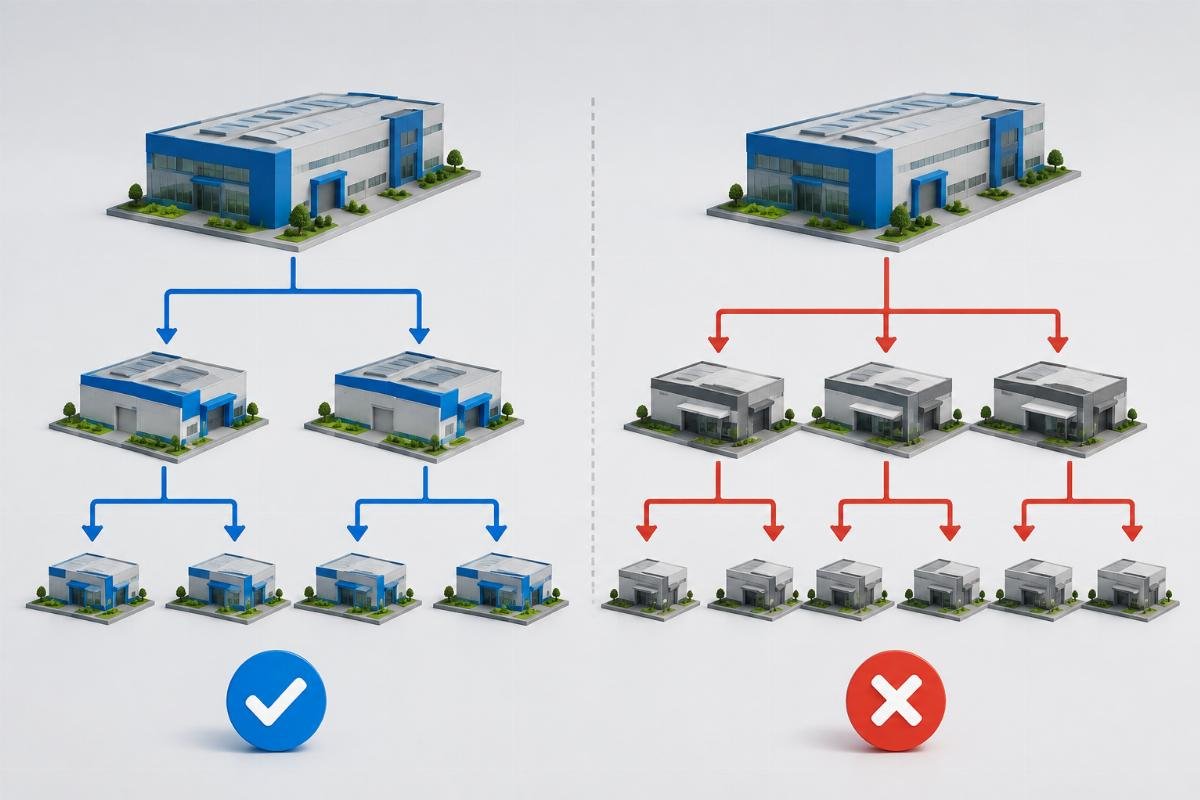
The pattern is clear if you watch how SKF has been restructuring its distributor footprint across key European hubs. Rather than expanding the number of authorized partners, the investment is flowing into fewer, deeper relationships with distributors that can meet elevated compliance, documentation, and technical service thresholds. This is not a growth story in the traditional sense — it is a channel control story.
Several forces are converging to drive this shift. Counterfeit bearing volumes in global wholesale trade have reached levels that directly threaten OEM warranty claims, end-user safety, and brand equity. [NEED_CITE: global counterfeit industrial bearing market impact assessments] European customs and regulatory bodies have tightened import documentation requirements for mechanical power transmission components, forcing brand principals to take greater responsibility for what flows through their named distribution channels. Meanwhile, digital platforms have made it easier for unauthorized traders to list goods with European shipping addresses while the actual supply chain origin remains opaque.
From what I have observed working with buyers across the Middle East and North Africa, the investment is producing a two-tier European market. On one side, authorized distributors operating under formal SKF agreements with full traceability, technical support access, and pricing discipline. On the other, a growing gray zone of intermediaries who may physically ship from European warehouses but lack authorization, chain-of-custody documentation, or direct manufacturer accountability. [NEED_CITE: authorized vs unauthorized bearing distribution channel structures in Europe]
The practical consequence for wholesale buyers is straightforward: the pool of verifiable European SKF sources is narrowing, and the consequences of sourcing from outside that pool are increasing.
How Does This Affect Wholesale Buyers Sourcing from Europe?
Channel tightening means fewer flexible intermediaries, stricter authorization enforcement, and significantly higher rejection and failure risk for buyers relying on unverified European sources.
I have watched this play out repeatedly. A Dubai-based trading company had been sourcing SKF bearings through a European contact who offered attractive wholesale pricing and flexible payment terms. The goods shipped from a Northern European address, invoices looked professional, and the product appeared genuine on visual inspection. But when end customers in East Africa began returning units with premature wear complaints, the trading company traced the supply chain back and discovered the European contact was not an authorized SKF distributor — the goods had been diverted through multiple hands before reaching the warehouse. Return and complaint rates dropped noticeably once they switched to verified authorized-tier sourcing and implemented proper chain-of-custody checks. [NEED_CITE: authorized distributor verification impact on bearing complaint rates]
For wholesale buyers, the 2026 European distribution investment environment creates several specific pressures:
Authorization verification is no longer optional. SKF’s investment in channel control means the brand is more actively monitoring unauthorized use of its name, trademarks, and distribution infrastructure. Buyers who previously sourced from European intermediaries without formal authorization letters may find those sources disappearing or facing legal pressure.
Pricing discipline is tightening. Genuine authorized distributors operate within manufacturer-guided pricing frameworks. If a European seller is offering SKF bearings at wholesale prices substantially below authorized-tier quotes, this is a red flag — not a bargain. Channel diversion, expired certification, or outright counterfeit goods are the typical explanations. [NEED_CITE: authorized distributor pricing discipline in industrial bearing markets]
Documentation requirements are increasing. European export documentation for branded industrial components now routinely requires proof of authorized sourcing, chain-of-custody records, and compliance declarations. Buyers who cannot produce these documents face customs delays, shipment rejections, and potential liability exposure.

What Red Flags Should Buyers Watch in European SKF Supply Chains?
Price gaps exceeding typical wholesale margins, missing authorization certificates, and inconsistent laser marking or packaging codes are the primary indicators of unauthorized or compromised European SKF supply chains.
Most buyers assume that goods shipped from Europe carry inherent authenticity guarantees. This assumption is dangerously wrong. Unauthorized redistribution channels can originate from European warehouses while still selling counterfeit, re-packaged, or diverted goods. The geographic origin of shipment tells you nothing about the authorization status of the supplier or the authenticity of the product.
Here are the specific red flags I look for when reviewing European SKF sourcing requests:
Pricing anomalies. If a European supplier is quoting SKF bearings at prices significantly below authorized distributor levels, this is the single strongest warning sign. Genuine authorized distributors maintain pricing discipline because they are contractually bound to manufacturer guidelines. Deep discounts typically indicate channel diversion, expired authorization, or counterfeit goods. [NEED_CITE: counterfeit bearing pricing patterns in European wholesale markets]
Missing or unverifiable authorization documentation. Authorized SKF distributors can provide current authorization certificates, direct manufacturer relationship proof, and chain-of-custody documentation for their inventory. If a European seller cannot or will not provide these documents, or if the documents cannot be verified through SKF’s official channels, the sourcing relationship is compromised.
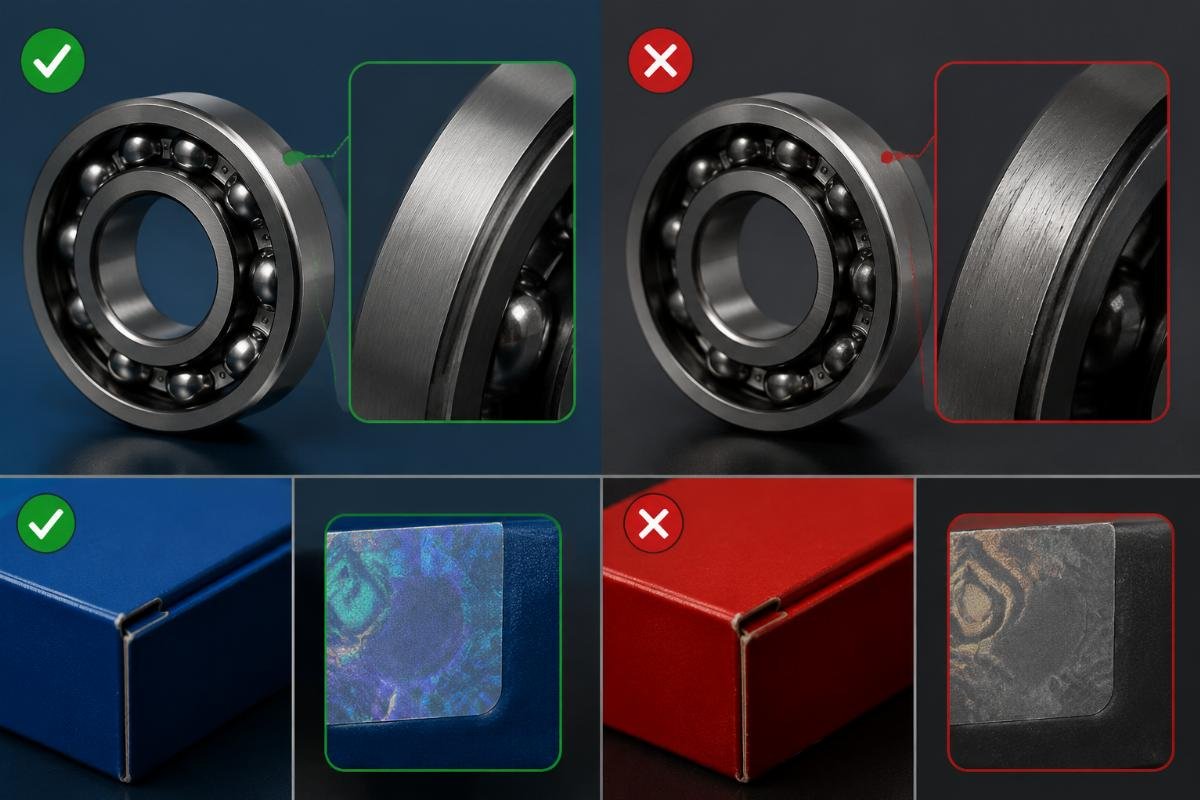
Inconsistent product marking and packaging. SKF uses specific laser etching patterns, date code formats, and packaging security features that vary by product series and manufacturing location. Counterfeit or re-packaged goods often show blurred etching edges, incorrect date code formats, or packaging that does not match known SKF standards for the specific bearing series. [NEED_CITE: SKF product authentication marking standards by bearing series]
Vague or evasive supply chain explanations. When asked directly about authorization status, manufacturing origin, or chain-of-custody, unauthorized sellers typically provide vague answers, change the subject, or offer assurances without documentation. Authorized distributors are transparent about their supply chain because they have nothing to hide.
How Can Buyers Verify Legitimate European SKF Distributors?
Use SKF’s official authorization database, request comprehensive chain-of-custody documentation, and cross-check country-of-origin markers against known manufacturing locations to verify legitimate European SKF distributors.
Verification is not a single step — it is a workflow that combines database checks, document review, and physical product inspection. Buyers who skip any element of this workflow expose themselves to counterfeit risk.
Step 1: Check SKF’s official authorized distributor database. SKF maintains a publicly accessible database of authorized distributors by region and country. Before committing to any European SKF supplier, verify that the company appears in this database with current authorization status. [NEED_CITE: SKF official authorized distributor verification database access]
Step 2: Request and verify authorization documentation. Authorized distributors should provide current authorization certificates, proof of direct manufacturer relationship, and chain-of-custody documentation for specific inventory batches. These documents should be verifiable through direct contact with SKF’s regional offices.
Step 3: Cross-check country-of-origin markers. SKF manufactures bearings at multiple facilities across Europe and globally, and each facility uses specific marking conventions, date code formats, and packaging standards. Cross-referencing the physical product markings against known manufacturing location standards can reveal inconsistencies that indicate counterfeit or re-packaged goods. [NEED_CITE: SKF manufacturing facility marking conventions by product series]
Step 4: Implement physical inspection protocols. For high-value or critical applications, implement physical inspection protocols that include laser etching verification, dimensional spot checks, and material composition testing when necessary. This is especially important for first-time sourcing relationships or when pricing seems unusually attractive.
I worked with a Riyadh maintenance contractor who had sourced a batch of SKF bearings from a European supplier. During installation, the team noticed that the bearing markings did not match SKF’s known conventions for that product series. We cross-referenced the markings against SKF’s manufacturing facility database and confirmed the goods were not genuine. The contractor avoided a production line shutdown by catching the issue before installation, but the experience reinforced the importance of systematic verification rather than assumption-based sourcing. [NEED_CITE: cross-reference verification methodology for bearing authentication]

What Alternatives Exist When Authorized European Channels Are Inaccessible?
Cross-reference interchange to equivalent genuine brands through verified tier-one dealers maintains supply continuity without authenticity risk when authorized European SKF channels are inaccessible or unavailable.
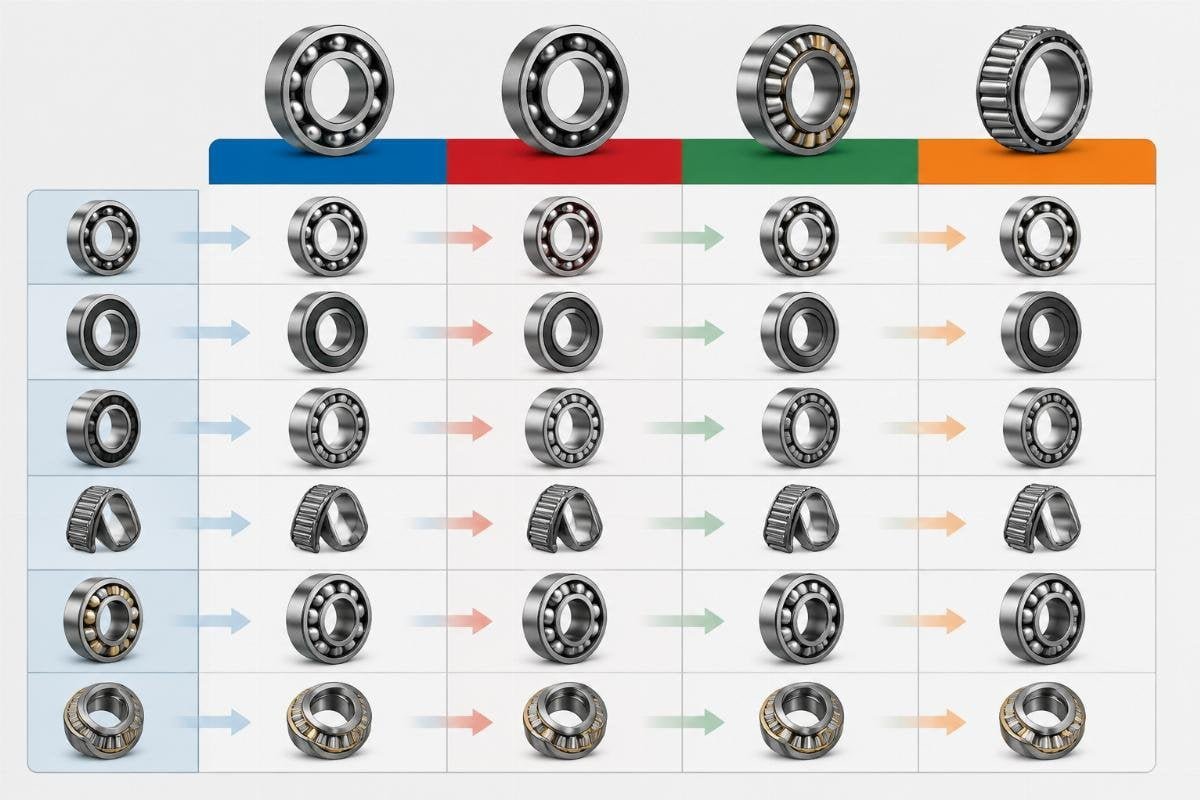
The 2026 European distribution investment environment is creating situations where some buyers cannot access authorized SKF channels — whether due to geographic restrictions, minimum order requirements, or authorization enforcement actions. In these cases, cross-reference interchange to equivalent genuine brands offers a viable alternative that maintains equipment performance while eliminating counterfeit risk.
Cross-reference interchange is not about substituting inferior products — it is about identifying genuine bearings from other reputable manufacturers that meet the same dimensional, load capacity, and performance specifications as the original SKF requirement. Major bearing manufacturers including NSK, FAG, TIMKEN, NTN, and KOYO produce equivalent products that can serve as direct replacements in most applications. [NEED_CITE: bearing cross-reference interchange methodology across major manufacturers]
The key is working with distributors who have verified authorization relationships with multiple brands and can provide proper cross-reference documentation, chain-of-custody records, and technical support for the substitution. A distributor who can source genuine SKF when available and provide verified cross-reference alternatives when SKF is not accessible offers buyers supply continuity without authenticity compromise.
I have helped multiple buyers navigate this transition. A Middle East industrial operator who could no longer access authorized SKF channels through their previous European source switched to a verified multi-brand distributor. We provided cross-reference documentation for their critical SKF requirements, sourced equivalent genuine NSK and FAG products through authorized channels, and maintained their equipment performance while eliminating the counterfeit risk that had plagued their previous sourcing relationship. [NEED_CITE: cross-reference interchange success cases in restricted authorization environments]
The lesson is clear: when authorized SKF channels are inaccessible, the answer is not to source SKF from unauthorized intermediaries — it is to source verified genuine alternatives through authorized multi-brand distributors who can provide the same technical performance with full authenticity assurance.
Conclusion
SKF’s 2026 European distribution investment is reshaping the authorized channel landscape, and wholesale buyers must adapt their verification practices accordingly. Geographic origin alone does not guarantee authenticity — authorized distributor status, chain-of-custody documentation, and systematic verification workflows are the only reliable protections against the growing counterfeit threat in European SKF supply chains. Buyers who cannot access authorized SKF channels should pursue verified cross-reference alternatives through authorized multi-brand distributors rather than risking counterfeit exposure through unauthorized intermediaries.

Leave a Reply